
Candles in a shell and coconut: why they damage the table
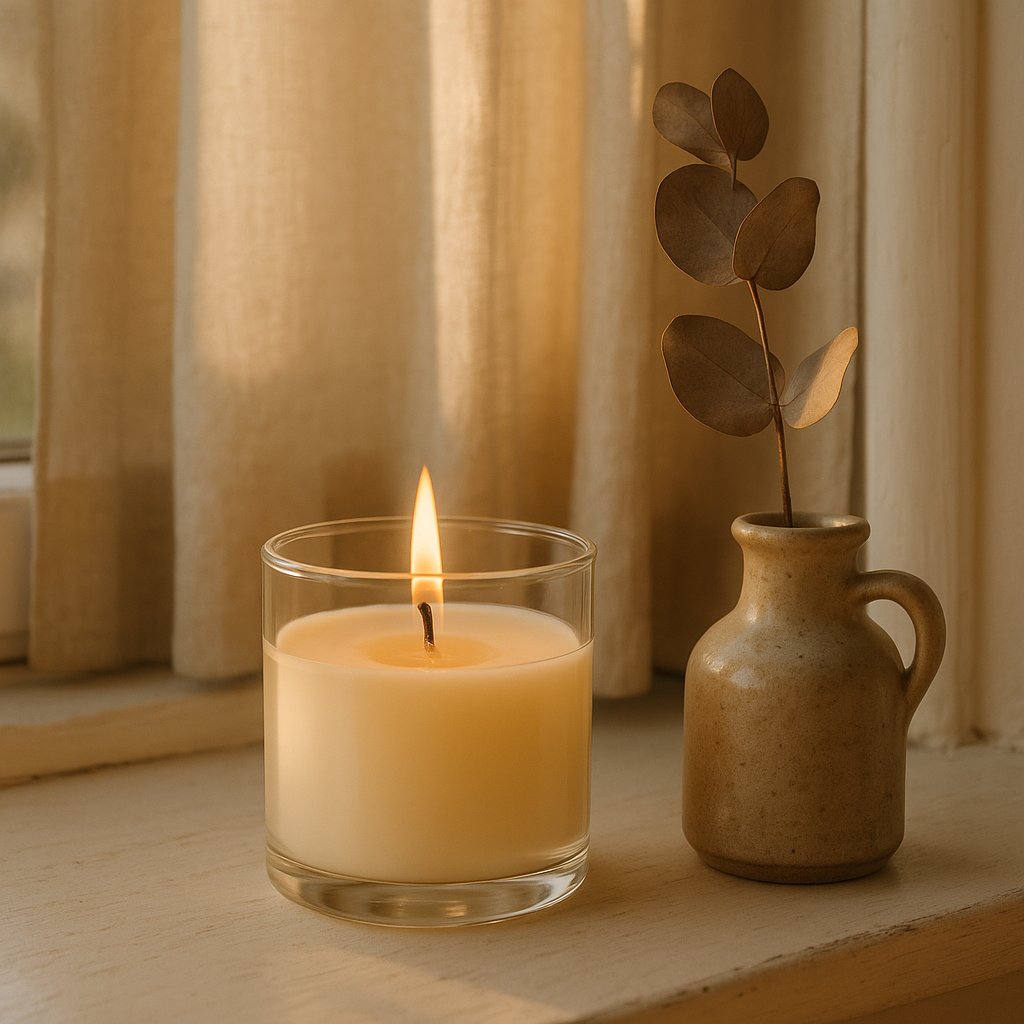
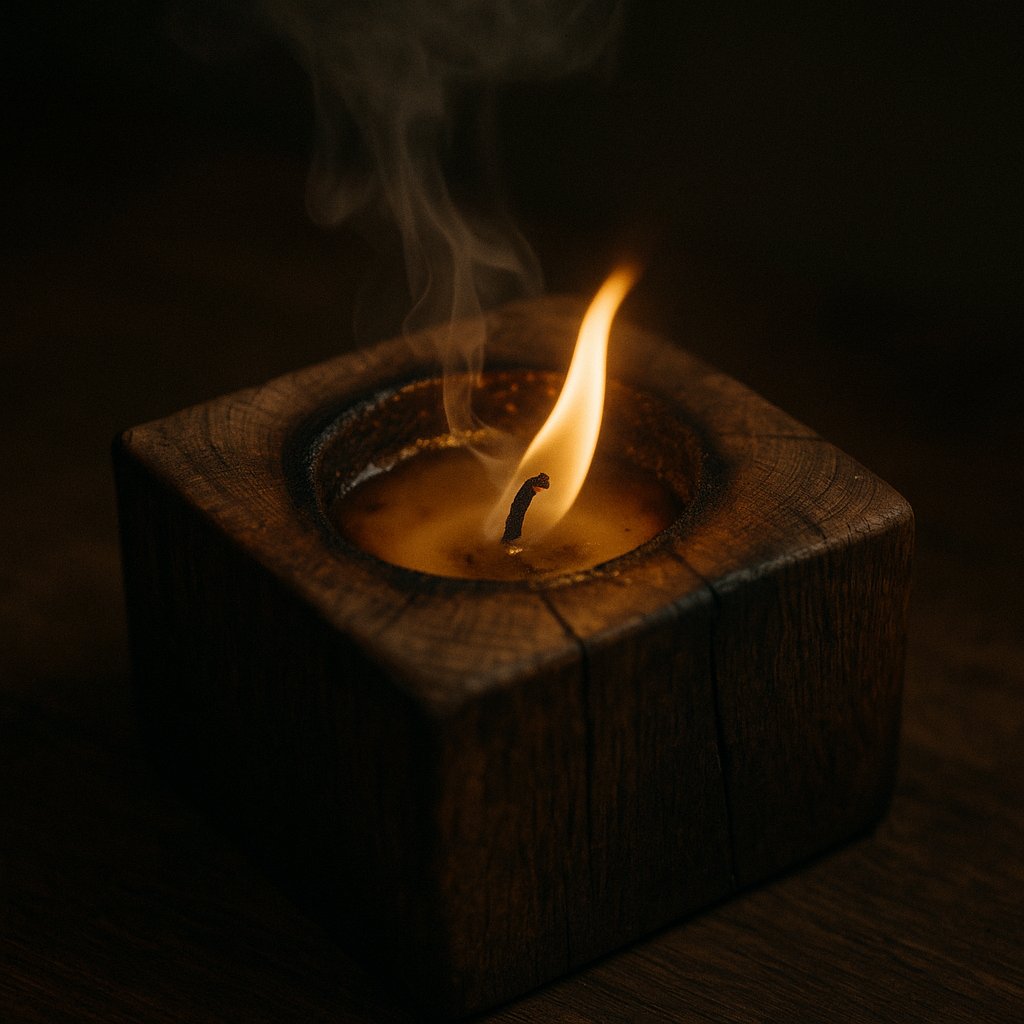
The photo has been circulating on Pinterest for a while and still holds its own: a coconut half, white wax core, short cotton wick, flame leaning towards the windowsill. It looks like a postcard from Bali. It seems quiet and warm. But around midnight, a few hours after lighting, a dark circle appears under that coconut shell. The wax-soaked wooden coaster slowly changes color from light oak to walnut, then brown. By morning, an oval map with blurry edges remains on the table, along with the sharp smell of coconut oil mixed with burnt soy. This is not a hypothetical scenario; it is the physics of porous material that aesthetic catalogs do not show: the coconut shell is interwoven with micropores, and during prolonged burning, a substantial part of the melted wax soaks into them.
Porosity of the coconut shell: why it absorbs wax
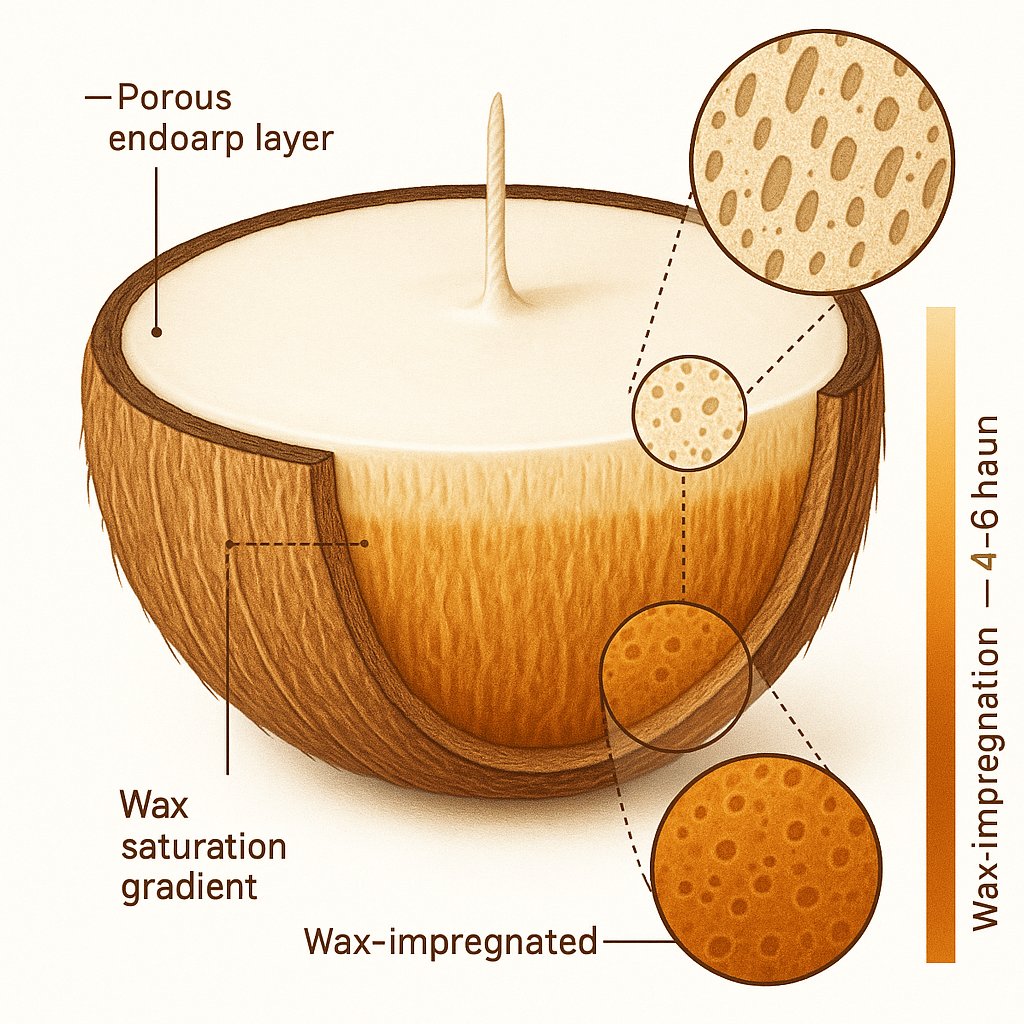
The coconut shell evolved as mechanical protection for the embryo. It is relatively light, with a density just below that of hard plastics. However, the internal structure is not solid matter: under a microscope, a three-dimensional network of vascular bundles and spongy tissue is visible. It is precisely this porosity that matters. The micropores act as capillaries, into which liquid paraffin is drawn by adhesive force, without any external pressure, exactly like oil soaking into a paper napkin.
Melted paraffin is very fluid when hot, thinner than olive oil, and soy wax is only slightly more viscous. The physics of capillary rise is simple: the more fluid the liquid and the narrower the pores, the more readily the wax spreads into the wall. Therefore, in the first hour of burning, absorption progresses fastest and gradually slows down as the pores fill.
The consequence is that during prolonged burning, part of the wax migrates away from the melted pool at the wick and settles directly in the walls of the container. This creates a saturated composite of wood and wax, which no longer burns in a controlled manner on the wick but is prone to smoldering combustion when in contact with heat. This is the core of the entire problem with porous containers.
Why the melted wax pool is not enough for safe burning
A glass or ceramic container dissipates heat from the flame evenly into its mass and edges, so heat does not accumulate anywhere. A porous coconut shell behaves oppositely: wood conducts heat much worse than glass, creating a significant temperature difference between the hot center and the wall. After prolonged burning, the container wall locally overheats considerably more than someone accustomed to a glass cup would expect, and a draft makes the unevenness even worse. This is enough for the wax from the surrounding pores to start seeping onto the outer surface of the shell, creating a greasy film on the table or on the oak board under the candle. That is precisely the slowly darkening circle from the introduction.
Shells and thermal shock: a beautiful wall that cracks from within
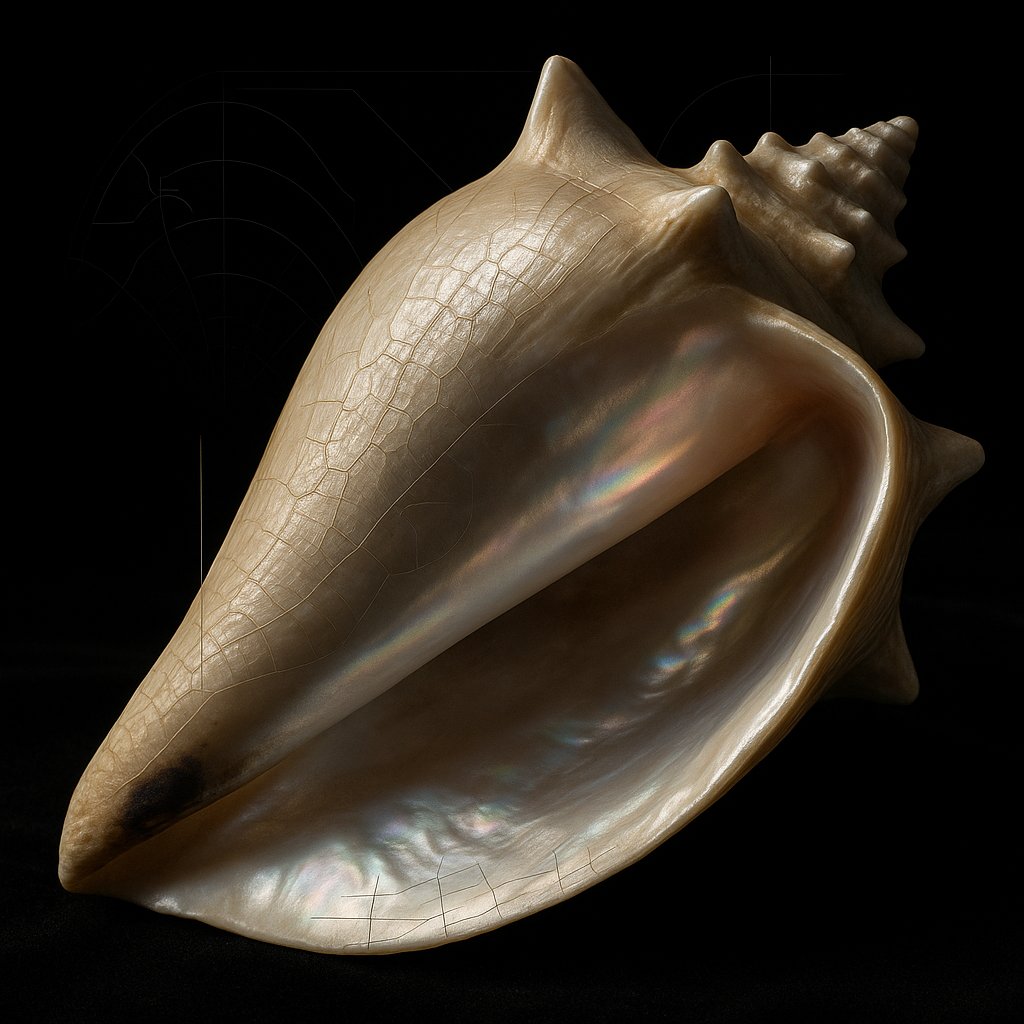
Shells of the genera Strombus, Murex, and Cassis are biologically composed of calcium carbonate in the form of aragonite (CaCO₃) interspersed with an organic protein matrix of conchiolin. Aragonite itself can withstand very high temperatures before it begins to transform into calcite, but that is a number about molecular stability, not the practical usability of the container. Much sooner than reaching such temperatures, something else destroys the wall: the organic matrix that holds the shell together decomposes upon heating.
The decisive factor, therefore, is not the maximum temperature the material can theoretically withstand, but how it handles the sharp temperature difference between the inside and outside. The thin aragonite wall is composed of layers of crystals with different orientations, and these layers expand unevenly when heated, each slightly differently. This creates internal mechanical stress that gradually damages the wall from within, even before you notice anything on the surface.
Why a sudden temperature jump fractures the aragonite wall
The crucial factor is not the hot surface itself, but the speed at which the temperature on the wall changes. When the inside of the shell is heated by the flame and the outside remains cold, for example, by a cold window in a winter apartment, a steep temperature difference develops across the thin wall. The aragonite layers with different crystal orientations try to expand in different ways, and internal stress increases. Once it exceeds the material's strength, a microcrack forms, which the capillary pressure of the melted wax opens further, and the wax seeps through the wall. The more abrupt the temperature change, the less the wall can withstand.
The second failure mechanism is biological. Conchiolin, the protein matrix that holds the shell together, begins to thermally decompose when sufficiently heated, releasing irritating gases and malodorous compounds. Therefore, a shell burning for several hours releases not only the candle's fragrance but also the decomposition products of its own organic material. This is precisely the risk that does not exist with an inert glass or porcelain container.
The most unpleasant combination: calcite and aragonite have different coefficients of thermal expansion. Under a temperature gradient, the layers try to expand at different rates, creating interlayer stresses. After several burning cycles, the shell delaminates, which in practice looks like a crack along the nacreous layer. Because the crack is internal, the eye may not register it from the surface. The wax, however, will.
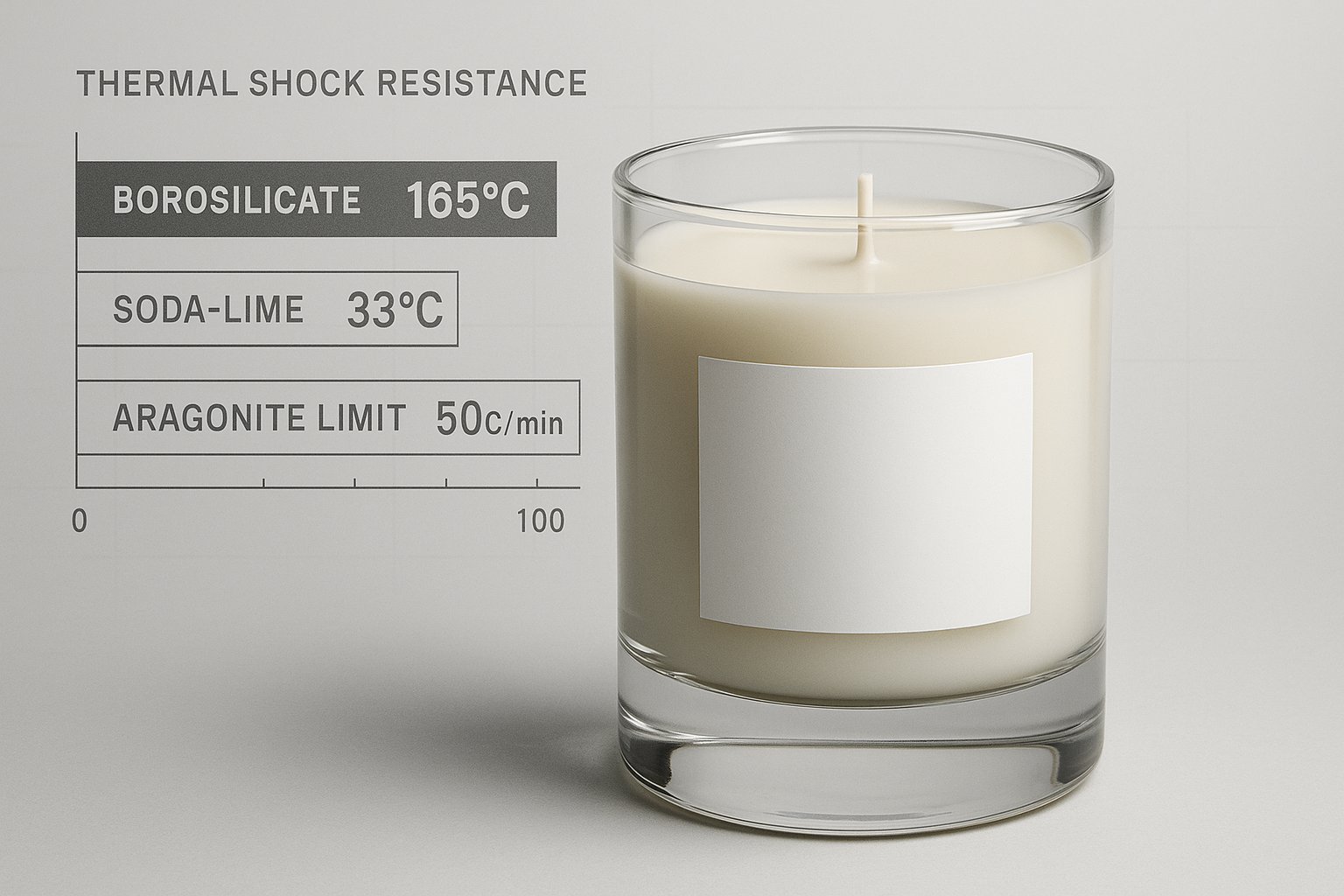
Table 1: Thermal shock resistance of container materials
| Material | Thermal shock resistance | Reacts with molten wax? | Suitable for container candles |
|---|---|---|---|
| Borosilicate glass (e.g., Schott) | Very high | No | + |
| Soda-lime glass (cheap jars) | Low | No | ○ |
| Porcelain | High | No | + |
| Aragonite (shell) | Low, cracks with temperature difference | Yes (soaks + matrix decomposition) | − |
| Coconut shell | Low, woody porous material | Yes (absorbs wax, risk of smoldering) | − |
| Wood (oak, spruce, etc.) | Low, flammable material | Yes (absorbs wax, risk of smoldering) | − |
Legend: + suitable for container candles, ○ borderline (higher risk of cracking in winter or drafts), − not recommended for repeated burning. The assessment is a qualitative comparison of materials, not laboratory-measured data.
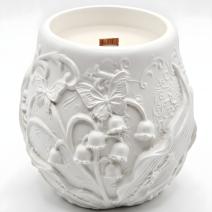
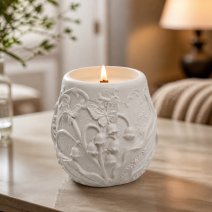
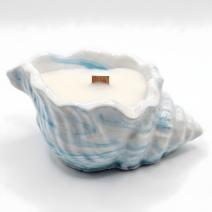
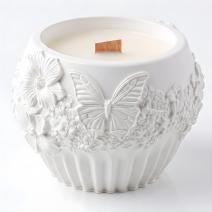
Wooden containers: porous, flammable, and wax-soaked
Wood is chemically lignocellulose, a mixture of cellulose, hemicellulose, and lignin with small amounts of resins and phenols. When heated, it decomposes gradually: first, bound water and volatile resins are released, then hemicellulose and lignin begin to break down, producing flammable gases and carbon monoxide, and at even higher temperatures, the cellulose itself burns. For a candle container, only one thing matters: wood is not an inert material like glass, but fuel.
Dry wood itself has a relatively high flash point, and a candle would burn without issues in an ordinary wooden bowl. However, the wood used for a candle container does not stay dry. It gradually absorbs paraffin or soy wax into its pores, and this completely changes the situation.
The catch is that wax ignites at a lower temperature than dry wood. So, when the wood is saturated with wax, its outer surface behaves like a composite and ignites more readily than the original dry wood, which would otherwise withstand more. And what's worse, such a composite may not burst into flames but will begin to smolder slowly. Harder, more resinous woods like acacia or mango resist somewhat better than soft spruce or beech, but the principle applies to all: the more wax in the pores, the lower the safety margin.
The danger lies in the fact that the difference between the operating temperature of the wall and the temperature at which the saturated wood ignites or starts to smolder decreases over time. Initially, the margin is comfortable, but with each subsequent burn, the wax in the walls increases and the threshold drops. Then, a draft or a single local hot spot is enough to exceed the limit, without warning and often when you have already left the room.
Smoldering combustion: a silent fire without a flame
Smoldering combustion is a particularly insidious mechanism because it occurs without a visible flame. Wood saturated with wax can continue to smolder long after the owner has extinguished the candle and gone to sleep, releasing carbon monoxide and fine smoke particles. Harder, more resinous woods like acacia or mango resist somewhat better than soft spruce or beech, but ultimately, all porous woods saturated with wax are prone to smoldering.
The essence of smoldering combustion is the slow oxidation of carbonized material directly at the interface of the solid and the air. The reaction is self-sustaining: local heat drives the slow decomposition of wood, which produces more carbon, which further oxidizes and creates even more heat. Such a fire source can smolder in a latent phase for hours before turning into an open flame, releasing dangerous carbon monoxide into the room the entire time. This is precisely why smoldering combustion in a closed bedroom is so treacherous.
Pinterest photo vs reality: what happens at night
When a candle burns in a coconut, the scent changes over time. The first 30 minutes are dominated by the coconut scent itself (δ-decalactone, δ-octalactone, and oct-1-en-3-ol released from the natural components of the shell upon heating). The second phase, 30 to 90 minutes, is a blend of coconut and the primary wax scent, most often vanilla, jasmine, cocoa. The scent is most pleasant then, dense, and deep. The third phase, after 90 minutes, arrives with an undertone of burnt coconut oil. It is a chemically carbonized triglyceride with an odor reminiscent of roasted nuts mixed with plastic. A person gets used to it (olfactory adaptation after 5 to 10 minutes), but guests entering the room will smell it immediately.
The crackling of wood from a candle in a wooden block is an acoustic signal interpreted as coziness (fireplace, fire, winter). Sensorily, it is caused by the same mechanism as the crackling of resin in an open fire: volatile organic compounds (VOCs) locally accumulate in the pores and are released with a short pop. With a candle, however, it is a signal that the wood is locally reaching a temperature at which volatile components and soaked wax begin to be released. The pleasant sound warns, but most people evaluate it as a bonus, not an alarm.
The milky inner surface of a shell looks fascinating in a photo. However, when the candle starts burning, the mother-of-pearl layer heats unevenly, and after just one or two burns, a matte film of soot and condensed fragrance residues settles on it. It looks like a grayed cloth stuck to the inner wall and cannot be cleaned without damaging the surface. The visual story for which the shell was purchased thus disappears practically after the second use.
Borosilicate glass: why it withstands thermal shock
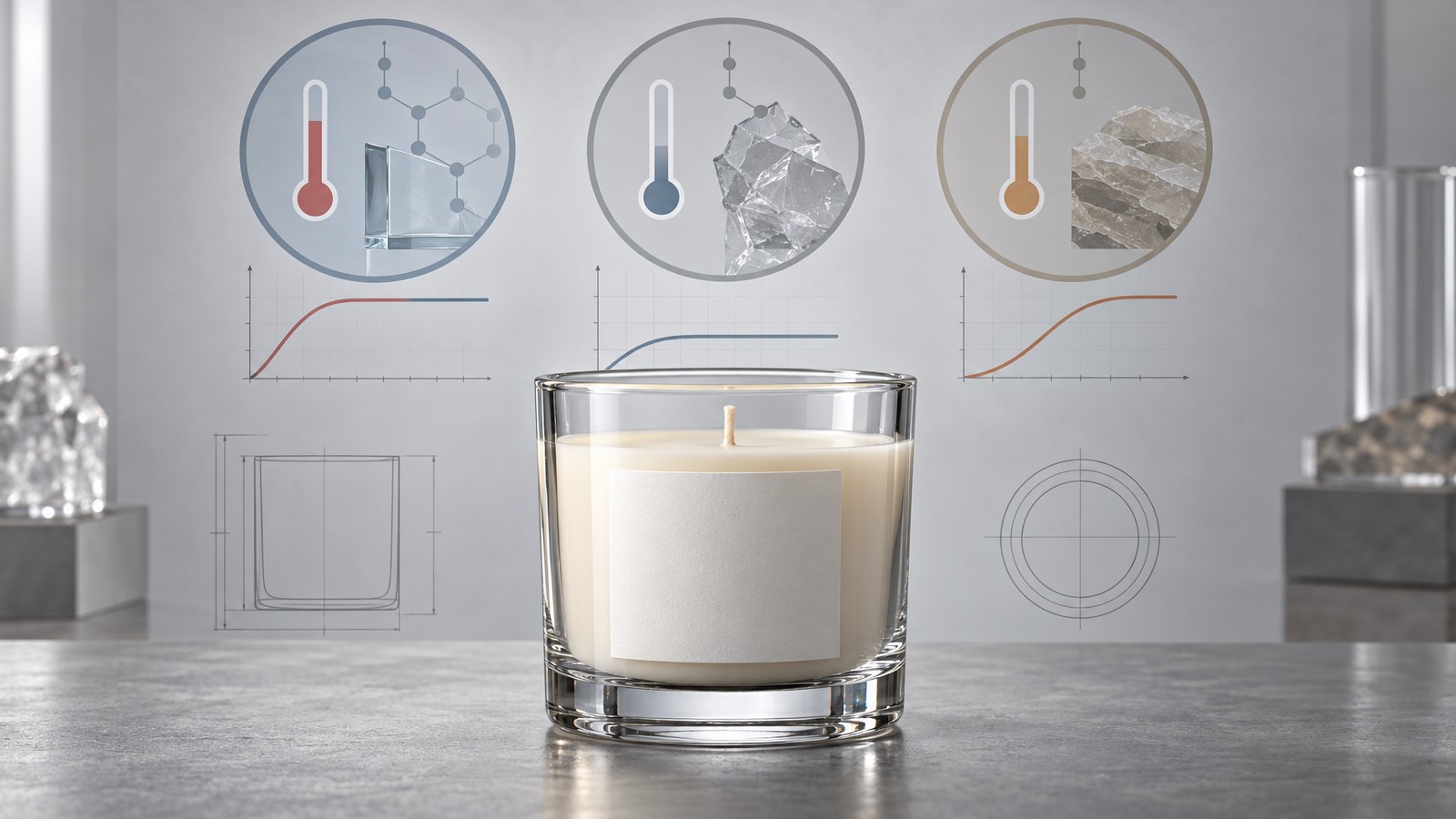
Borosilicate glass was developed by German chemist Otto Schott back in 1893. The secret lies in the boron admixture: it reduces the thermal expansion of the glass to about a third compared to ordinary (soda-lime) glass. And it is precisely low thermal expansion that determines how the glass withstands rapid temperature changes; the less the material expands when heated, the less stress is created within it.
In practice, this means a huge difference. A borosilicate container can withstand a temperature jump that would have long cracked cheap soda-lime glass, a difference several times greater in magnitude. This is why boiling flasks and containers that go straight from cold to heat are made from borosilicate. For a candle, this means the wall can be safely exposed to hot wax even in a cold room.
Why a thick-walled container is suitable for a container candle
When choosing a container for a candle, not only the material but also the wall thickness matters. A thin wall has a steeper temperature gradient across its cross-section: the inside is hot, the outside is cold, and the difference accumulates over a small distance, creating greater stress. A thicker wall distributes the same difference over a greater thickness, so the stress is milder and the risk of cracking is lower. This is precisely why quality container candles use properly thick-walled glasses and bowls, not thin-walled decorative glass.
In the studio, we therefore reach for thick-walled borosilicate glasses. Thanks to the combination of durable material and sufficient wall thickness, you can place a burning candle even on a cold, snowy windowsill without the risk of the container cracking. A cheap, thin-walled soda-lime glass would crack in the same situation during a sudden temperature jump.
Material economics: why cheap containers exist despite physics
The cost of material is the main reason why a large part of the market for "decorative" candles reaches for the wrong containers. A borosilicate glass is significantly more expensive for the manufacturer than cheap soda-lime glass from mass production or a cleaned coconut shell. Shells from harvesting are a separate chapter; their collection is often subject to species protection, so cheap input material here also encounters ethical and regulatory limits.
However, the arithmetic for the value per burned hour is unexpected. A quality borosilicate candle is indeed more expensive on the shelf, but it lasts a long time and can be refilled. A candle in a coconut shell is typically single-use and burns for a shorter time, so per hour of light it usually works out more expensive, not to mention that its final burning phase takes place in wax-soaked wood and carries the risk of a smoldering fire. The economic logic is therefore actually the opposite of what a pretty photo suggests.
The biggest difference is made by the possibility of refilling. A borosilicate or porcelain container survives many wax fillings, so a single container serves for hundreds of hours of light. Refilling with your own wax and a new wick is a fraction of the price of a new candle.










Petry 2014 vs South Carolina State 2009: what the emission studies actually say
In the literature on candle emissions, there is a long-standing dispute over the safety of paraffin. The study by Massoudi and Hamidi (South Carolina State 2009, presented at the American Chemical Society conference) found increased concentrations of polycyclic aromatic hydrocarbons (PAH) and carbonyls in the emissions of paraffin candles compared to soy candles. The study was financially supported by sources from the soy industry (United Soybean Board) and was repeatedly cited as evidence of paraffin toxicity, although the ECA 2018 challenged it methodologically.
Petry's 2014 peer-reviewed study (journal Indoor Air, volume 24) showed, however, that emissions of all tested wax types (paraffin, soy, palm, beeswax) are below WHO limits for indoor air quality when burned correctly. The key phrase is "when burned correctly," meaning a melted wax pool across the entire container surface, a wick trimmed to 6 mm, and a container with an adequate wall. The ECA 2018 refutation then explicitly disproved some of Massoudi-Hamidi's conclusions as methodologically inconsistent (a sample of only 6 candles, no monitoring of the melted wax pool, naturally different wicks).
Why a coconut or seashell candle fails the Petry test
The Petry 2014 protocol assumes the container has sufficient thermal shock resistance and does not itself contribute to emissions through its own decomposition. A coconut shell in the final burning phase, when its wall is already saturated with wax, emits more carbonyls than a borosilicate container with the same wax blend, because the wooden walls contribute their own thermal degradation. Conchiolin in the shell, when sufficiently heated, decomposes and releases sulfur compounds and aldehydes, which would never enter the scenario of an inert glass container.
The logic is the same for all "aesthetically alternative" containers, whether coconut, seashell, wood, or raw ceramic: their porous organic wall is not inert, but itself enters the combustion process as secondary fuel with its own thermal decomposition. Therefore, such a container produces more fine combustion gases and smoke particles in the room than the same wax blend in an inert borosilicate glass.
NFPA statistics: thousands of fires annually and the most common cause
The National Fire Protection Association (NFPA) has long reported that candles in the USA cause on the order of thousands of reported home fires annually — according to published estimates, an average of around 7,400 fires, approximately 90 deaths, and around 670 injuries per year. The key is what most often triggers these fires: more than half of them (roughly three out of five, i.e., about 55 to 60 percent) occurred because the candle was too close to something that could catch fire. This is precisely where a porous and flammable container becomes a problem — saturated with wax, it itself becomes such a flammable material in the immediate vicinity of the flame.
The human factor is also important. According to the NFPA, falling asleep is a factor in approximately 12% of home candle fires, but it accounts for about 26% of related deaths — an unattended flame is thus disproportionately more deadly. Half of all deaths from candle fires occur between midnight and six in the morning, and most of these fires start in the bedroom. In other words: a typical fatal scenario is a candle that someone leaves burning and falls asleep. With a porous container that transitions into a smoldering mode in the final hours of burning, this window is particularly treacherous because the fire can progress without a visible flame.
Cassis, acacia, mango: why "ethnic" candles enter the statistics
Pinterest and Instagram have normalized the "beach candle" or "rustic wood candle" aesthetic over the past five years, leading to a boom in small manufacturers whose containers often lack any safety certification for container candles. Cassis and Tonna shells are a popular container due to their beautiful iridescence, but the aragonite wall is often very thin — often only on the order of one to two millimeters. Such a thin wall has a steep temperature gradient across its cross-section, so its thermal shock resistance in real practice is significantly less than that of thick-walled glass designed for candles.
Acacia and mango "tables" (wooden segments with a drilled hole for the melted wax pool) are popular in Etsy catalogs. Their problem is not in the first burn (oak and acacia are hard, well-worked woods), but in gradual saturation. With each subsequent burn, more wax soaks into the wood around the hole, lowering its ignition temperature and reducing the safety margin. During some later use, a slight draft may then be enough to initiate smoldering combustion.
Practical conclusion: four questions before buying a candle
Before buying a candle, ask yourself four questions and look for specific numbers:
- What is the container material? Borosilicate glass and porcelain are materials that withstand thermal shock well and do not interfere with the burning process in any way. Common soda-lime glass is borderline, withstands less, and is more likely to crack under rapid cooling. Natural materials (coconut, seashell, wood) are unsuitable for repeated burning because they absorb wax or crack.
- What is the container wall like? Prefer thick-walled glasses and bowls. A wall that is too thin heats unevenly and is more prone to cracking during sudden temperature changes. A solid, thicker wall provides a greater safety margin.
- What standards does it meet? Look for a reference to recognized safety standards for candles: the European EN 15493 (fire safety of candle burning) and, for glass containers, the American ASTM F2179, which prescribes a thermal shock resistance test (the glass must withstand a sudden temperature difference of around 90 °F, i.e., approximately 50 °C). Note: ASTM F2058 standard only concerns warning labeling on the packaging, not the container material. A serious manufacturer of container candles lists the standards; no natural container (coconut, seashell, wood) generally meets them, physics does not allow it.
- Is the container refillable? If yes, the manufacturer made a material decision for long life, which is a strong indicator of a quality choice. A single-use "natural" candle usually means cheap material without safety testing.
A borosilicate candle with a thick wall and a melted wax pool spanning the entire diameter of the opening is technically safe under normal household use, from a kitchen windowsill to a sauna anteroom. A coconut candle in the same room can function for two or three evenings without issues, but the fourth use might be the one that releases the wax-impregnated composite into smoldering combustion after midnight.
Aesthetics are not at odds with safety. A borosilicate glass with a handcrafted soy candle, a flax wick, and fragrance oils within IFRA limits looks just as good in a photo as a coconut shell, but its burn remains clean and safe for 300+ hours. What is lost is just one photo. The table remains.

Mother of two daughters, wife of Roman and the heart of our creative studio. Besides writing blogs, she dedicates herself daily to the handmade production of candles and decorative containers — she knows the materials, knows what lasts and what simply delights the home. She looks at jewelry, watches and fashion accessories from real family practice: what serves, what endures and what truly brings joy.
All articles by author
 Fruity
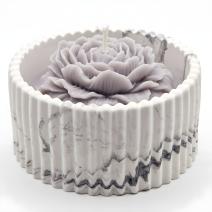
Carrara Candle - Peony / White / Silver / Lime, Mango
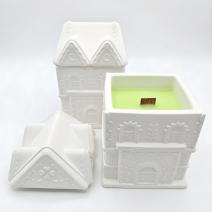
Medium House Candle - White / Apple, Cinnamon

Forever Candle - White / Coconut
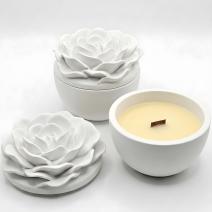
Candle Little Rose - White/Lime, Mango
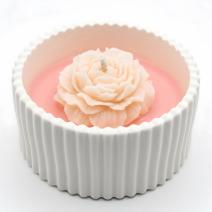
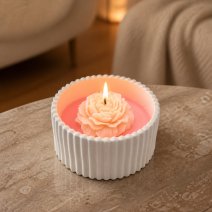
Satin Poppy Candle - White / Pink / Cherry, Almond
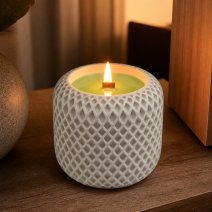
Candle Mosaic - White / Neon Green / Apple, Cinnamon
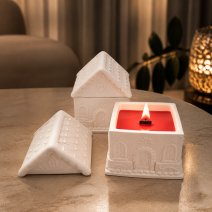
House Candle - White / Strawberry, Rhubarb
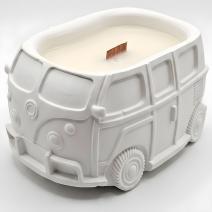
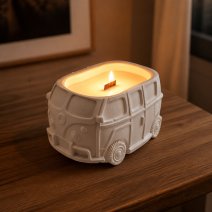
Vintage Van Candle - White / Lime, Basil, Mandarin

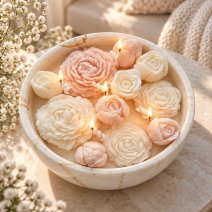
Candle Blooming Marble - White / Gold / Lime, Basil, Mandarin




Comments
Add comment
Login required
To add a comment, you must log in to your account.
Don't have an account? Register