
Candles and pets — toxic scents and alternatives
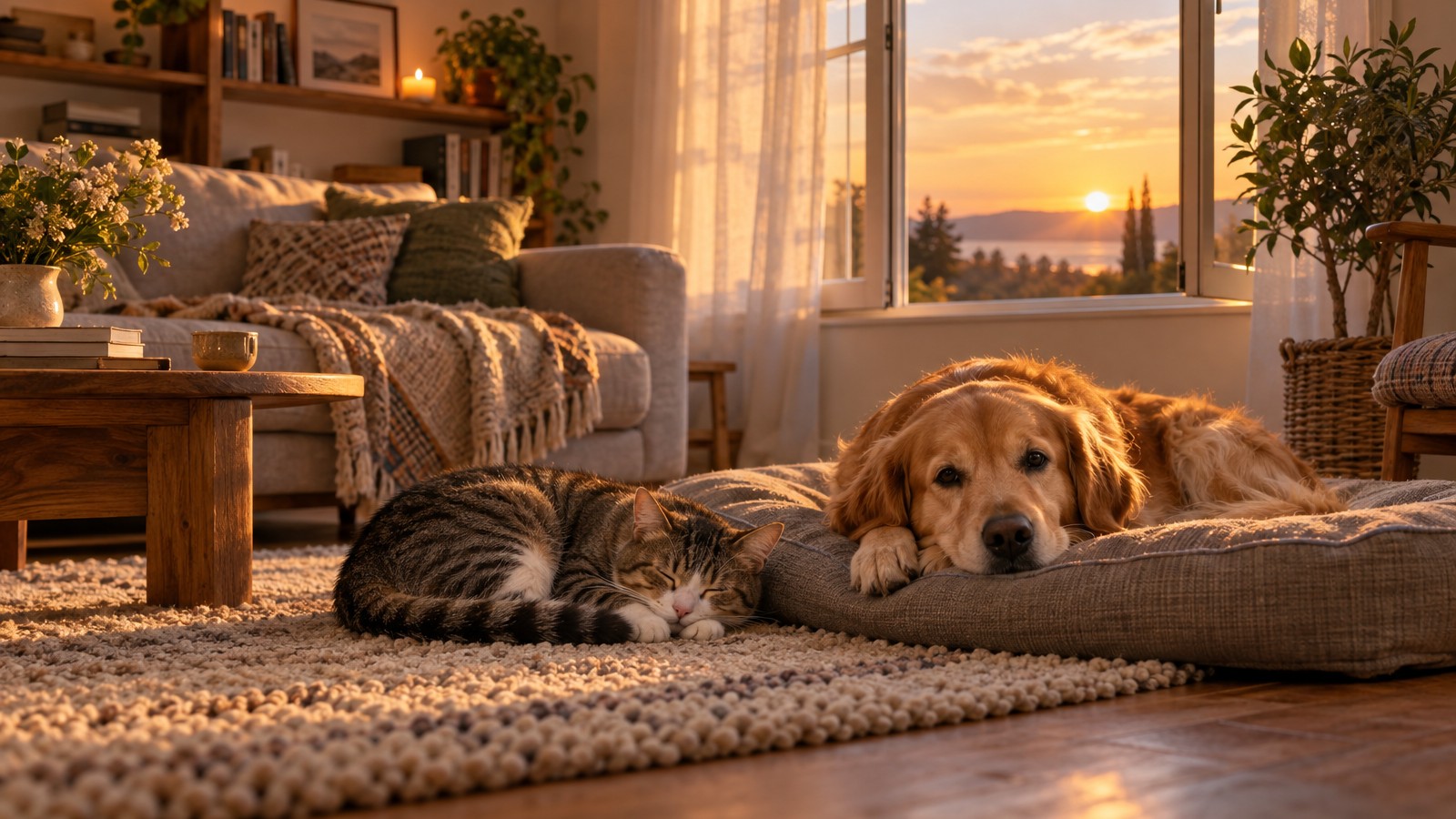
Lily was six years old and weighed four kilograms when her owner, Mária, rushed her to the veterinary emergency clinic in Trnava. An hour earlier, she had lit a new candle with an eucalyptus-mint scent on the dresser in the living room. The cat started drooling, stumbled into walls, and stopped responding to her name. The veterinarian diagnosed mild intoxication with 1,8-cineole (the main component of eucalyptus). The cause was not the amount, but the missing enzyme UGT1A6, which the cat is genetically unable to produce. Even a small amount of undiluted (100%) tea tree oil, upon contact with the skin or ingestion, can cause poisoning in a cat. This guide divides scents into two clear groups: four oils with real risk and five that are safer with proper dosage and ventilation. It adds seven rules for lighting candles in a room with an animal and a list of symptoms that require an immediate call to the vet.
Why a cat cannot break down what a dog can still handle
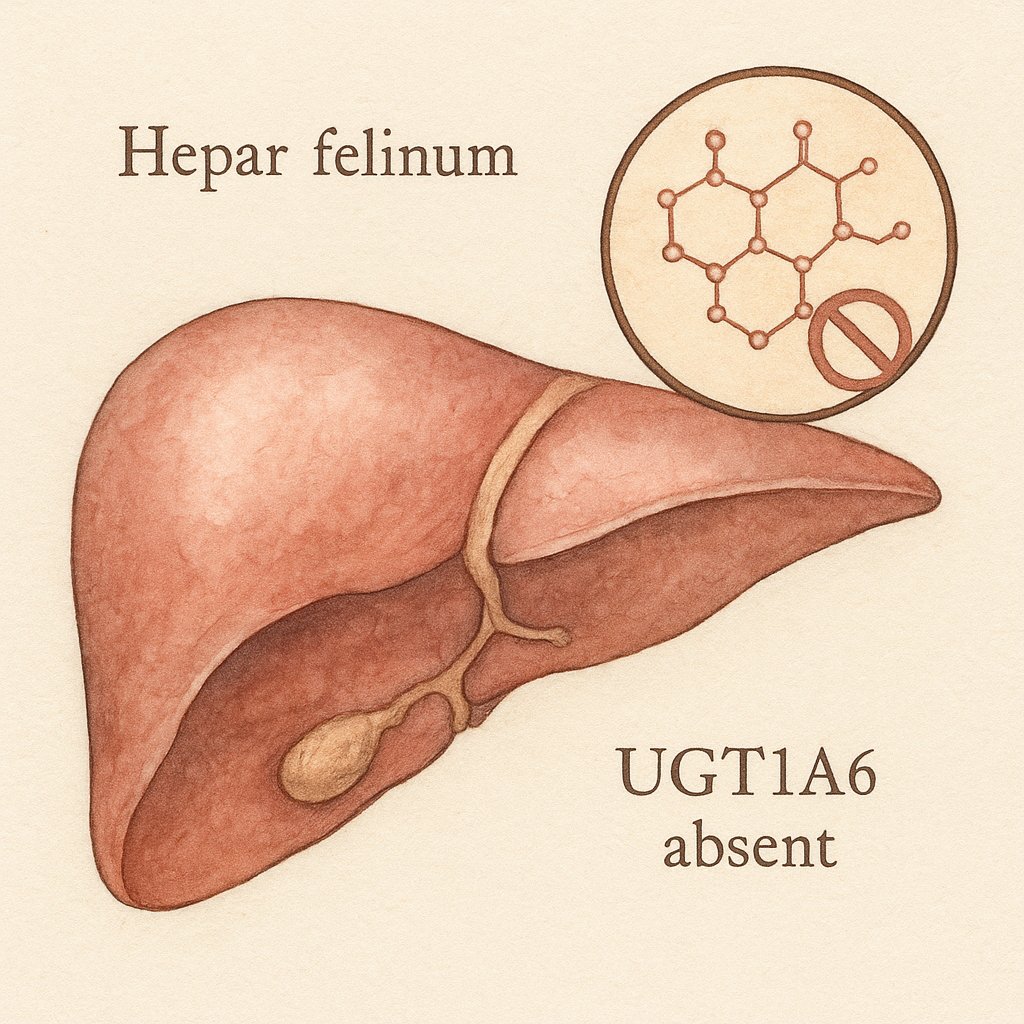
In the liver of mammals, a family of enzymes called UDP-glucuronosyltransferases (abbreviated UGT) works. These enzymes attach a glucuronic acid residue to a foreign molecule (medications, phenols, terpenes from essential oils), transforming the substance into a water-soluble form that the kidneys excrete in urine. This is a fundamental detoxification step in the mammalian organism, the so-called biotransformation phase II.
The feline liver has a functional genetic loss of the enzyme UGT1A6, which in dogs and humans processes phenolic compounds. The cat cannot attach glucuronic acid to molecules such as thymol, carvacrol, eugenol, 1,8-cineole (eucalyptol), or limonene. These substances remain in the bloodstream longer, cross the blood-brain barrier, and accumulate in tissues with high fat content, including the central nervous system. This is the source of animal symptoms of neurotoxicity upon contact with tea tree oil, eucalyptus, or citrus.
A dog has UGT1A6, but with lower activity than a human. With a single exposure to a low-intensity scent (a lit candle in a well-ventilated room, the animal in an adjacent room), it usually reacts without clinical symptoms. The problem arises with accumulation: daily hours in the same room, proximity to the source, a diet rich in products containing the same terpenes, or the combination of a candle plus diffuser plus spray. In such cases, the liver can be chronically burdened — a condition the veterinarian describes as "subclinical hepatotoxicity." This is a precautionary principle: published cases of tea tree intoxication mainly describe topical or oral exposure to concentrated oils, not aerosolization from a candle — therefore, it is reasonable not to unnecessarily increase the cumulative load from multiple scent sources.
For the reader, this means one practical thing. The rules that apply to you and your child with a candle do not automatically apply to your cat. And the rules that apply to a cat are stricter even for a dog, if it lives close to the ground.
Lily in the hour between the candle and the emergency check-up
Mária called Lily by name four times before the cat stopped walking into the wall. The candle was burning on the dresser by the wall, about 90 cm above the floor, on the other side of the room. Mária had bought it two days earlier at a drugstore as part of the autumn seasonal collection. The label stated "100% essential oils, eucalyptus globulus and peppermint." The number didn't seem dramatic; the scent concentration was standard for cheap soy candles sold in chain stores.
Thirty minutes after lighting, Lily started yawning twice as much as usual. After fifty minutes, she began drooling from the corner of her mouth, as if she had something unpleasant in her mouth. After an hour, she had trouble keeping her balance at the staircase to the upper floor, which she had previously climbed without any issue. Mária took her to the emergency room two hours after the first contact with the scent.
The veterinary emergency clinic diagnosed mild intoxication with 1,8-cineole, with gastric irritation and initial ataxia (impaired motor coordination). Lily spent the night on an IV with activated charcoal in her digestive tract and began eating again in the morning. Mária paid 180 euros for the emergency procedure. Lily is now an eight-year-old cat in full health. The candle ended up in the garage.
Lily's story is a fictional composition inspired by real clinical cases. The study by Khan, McLean, and Slater (JAVMA 2014, 244(1):95–99) summarized 443 animals (337 dogs and 106 cats) exposed to 100% tea tree oil over ten years (2002–2012); the vast majority involved topical application of undiluted oil, with the onset of symptoms within hours. The common denominator is the same even with a candle: concentrated essential oils in a space from which the animal could not be moved outside the exposure zone.
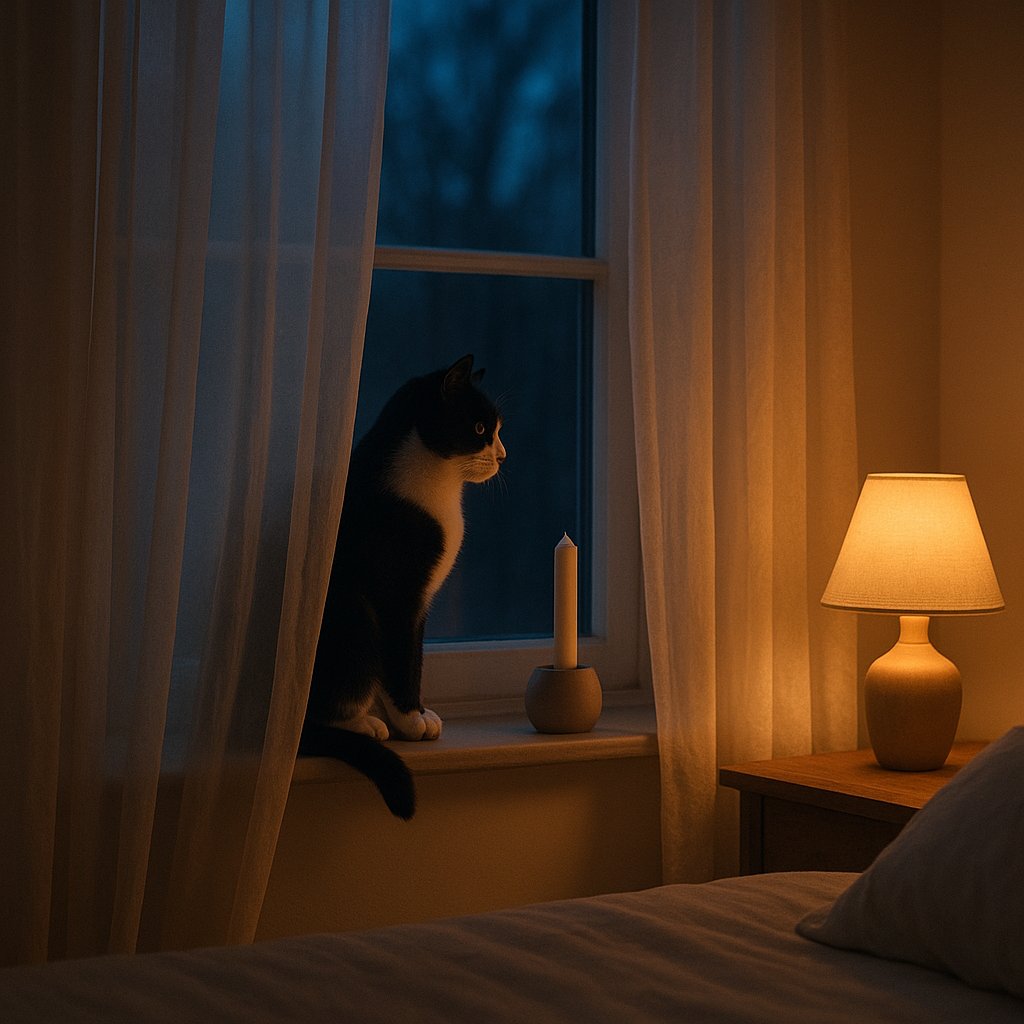
Four oils to which cats react most severely
The list is based on public sources from the ASPCA Animal Poison Control Center and published veterinary cases of essential oil toxicity. This is not a theoretical risk — these are substances with repeatedly documented clinical cases of poisoning.
1. Tea tree oil (Melaleuca alternifolia)
Even a small amount of undiluted (100%) tea tree oil, upon contact with the skin or ingestion, can cause poisoning in a cat. Tea tree oil in higher concentrations releases terpinen-4-ol, alpha-terpinene, and 1,8-cineole; the feline liver cannot break down these components through glucuronidation. The most common clinical signs are hypersalivation (drooling), ataxia (loss of balance), and central nervous system depression; in more severe cases, tremors and liver strain with elevated ALT/AST are described, and the course can last several days. The largest published case series (Khan, McLean, and Slater, JAVMA 2014, 443 animals from 2002–2012) describes such symptoms, with no deaths reported from the described exposures in the study abstract. When consulting a veterinarian, provide the specific candle composition.
2. Citrus oils (limonene, CAS 5989-27-5)
D-limonene is the main component in oils from lemon, orange, tangerine, grapefruit, and bergamot. A cat handles it even worse than tea tree. It lacks not only UGT1A6, but the second phase of limonene processing, sulfation via the SULT enzyme family, works slowly. Clinically observed symptoms with intense aerosolization: vomiting, hypothermia (drop in temperature), and in rare cases, dermatitis upon external contact. The ASPCA classifies citrus oils as "definite risks" for cats. Tolerance is higher in dogs, but long-term exposure in a small apartment is not recommended because limonene irritates mucous membranes.
3. Eucalyptus (1,8-cineole, eucalyptol)
Eucalyptus seems like a "pure mountain scent" to the human mind, but in the feline liver, it is a molecule that breaks down significantly slower than in humans. Neither acute nor chronic indoor exposure has established a precise safe threshold for cats; clinical cases describe depression, disorientation, and sometimes respiratory distress. Similar reactions are described in small dog breeds (Chihuahua, Yorkshire Terrier), especially when the animal sleeps in the same room where the candle burns for several hours daily. Let us recall that eucalyptus was the primary cause in Lily's story.
4. Cinnamon and Ylang-Ylang
Cinnamon oil contains cinnamaldehyde and eugenol; ylang-ylang contains linalool and benzyl benzoate in concentrations that are neurotoxic to cats. Both scents often appear in winter and "luxury" candles. The ASPCA list of essential oils dangerous for cats also includes clove oil (eugenol), thyme (thymol), oregano oil (carvacrol), and some combined winter spice mixes. For a candle with unspecified composition labeled "spicy scent," it is reasonable to assume it contains at least one of these components. Consult a veterinarian with any doubt about the composition.



Four oils that most heavily burden dogs
A dog has better metabolic tolerance than a cat, but it is not unlimited. These four compounds appear most frequently in toxicology database records for canine patients.
Pennyroyal. Pulegone is a known hepatotoxin in dogs. Prolonged contact can cause serious liver damage. Candles with pennyroyal are rare in Europe, but they occasionally appear in "DIY repellent" mixes. The most accurate rule: if a candle recommends "insect repellent," check its composition.
Wintergreen. Methyl salicylate in concentrated form acts in dogs similarly to an aspirin overdose. Clinical picture: gastrointestinal irritation, mucosal bleeding, and in severe cases, metabolic acidosis. The candle form is less risky than topical application, but long-term exposure in a small space is not neutral.
Peppermint. Most dogs tolerate menthol in moderate concentrations, but sensitive individuals (small breeds, older dogs, those with liver disease) react with vomiting and diarrhea. For a candle with a "fresh mint" or "Christmas mint" component, the rule of thorough ventilation applies.
Oregano and Thyme. Carvacrol and thymol are among the strongest phenolic antimicrobial substances in the plant kingdom. For dogs, this means a high burden on the liver; for cats, a toxic risk comparable to tea tree oil. These components appear in "kitchen herb" or "Mediterranean" candles.
The common denominator for both dogs and cats is the same: hours of burning in a small room without ventilation, with the animal close to the source. The same oil that causes no harm in a large living room with an open window can be a problem in a 12 m² bedroom.
Five scents that are safer in the right concentration
"Safer" does not mean harmless. It means that with proper dosage, distance, and ventilation, the risk is low. For every scent, it still applies: if the animal shows any change in behavior after lighting the candle, consult a veterinarian.
Lavender (Lavandula angustifolia). In low concentrations (up to 0.5% linalool in the room air), it is tolerated by both dogs and cats; the ASPCA places lavender in the "mild" category, not on the "definite risks" list. Practical note: linalool has a sedative effect on animals as well. A cat may appear calmer, which is not necessarily good if it results from mild CNS depression.
Chamomile (Matricaria chamomilla). Traditional calming aromas. Bisabolol and chamazulene do not belong to the phenol group that the feline liver cannot process. For a chamomile candle, the risk of interaction is low if the fragrance concentration is reasonable (up to 7%).
Frankincense (Boswellia carteri). A traditional resinous gum with a predominance of monoterpenes, which both dogs and cats tolerate better than cyclic phenols. It does not fall into any toxicological category for cats. The only real risk is the harsh texture of the smoke in a cheap formulation, which irritates mucous membranes. For an older cat with hepatic issues, consult a veterinarian even with frankincense.
Copaiba (Copaifera spp.). Brazilian resin with a predominance of beta-caryophyllene. This sesquiterpene is described in veterinary and pharmacological literature as an anti-inflammatory component with a relatively low burden on the animal's liver. Candles with copaiba are still rare in Europe, but you can find them in specialized stores.
Vanilla (Vanilla planifolia, vanillin). The simplest scent on the list. Vanillin is an aldehyde that a cat's liver can handle, and it is not irritating in a candle. A vanilla candle in a 12 m² bedroom with a sleeping cat in the corner is a low-risk scenario.
None of the five scents are universally safe for every animal. A cat with liver disease, a dog with a history of allergic reactions, or an animal with asthmatic bronchial issues may react even to lavender or chamomile. Always consult a veterinarian when behavior changes.


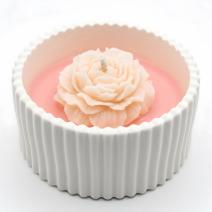
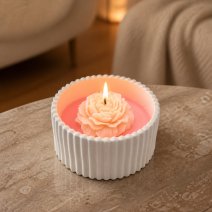
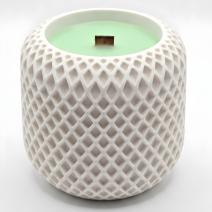
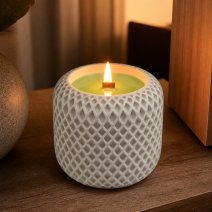






Pet-safe scent calendar by season
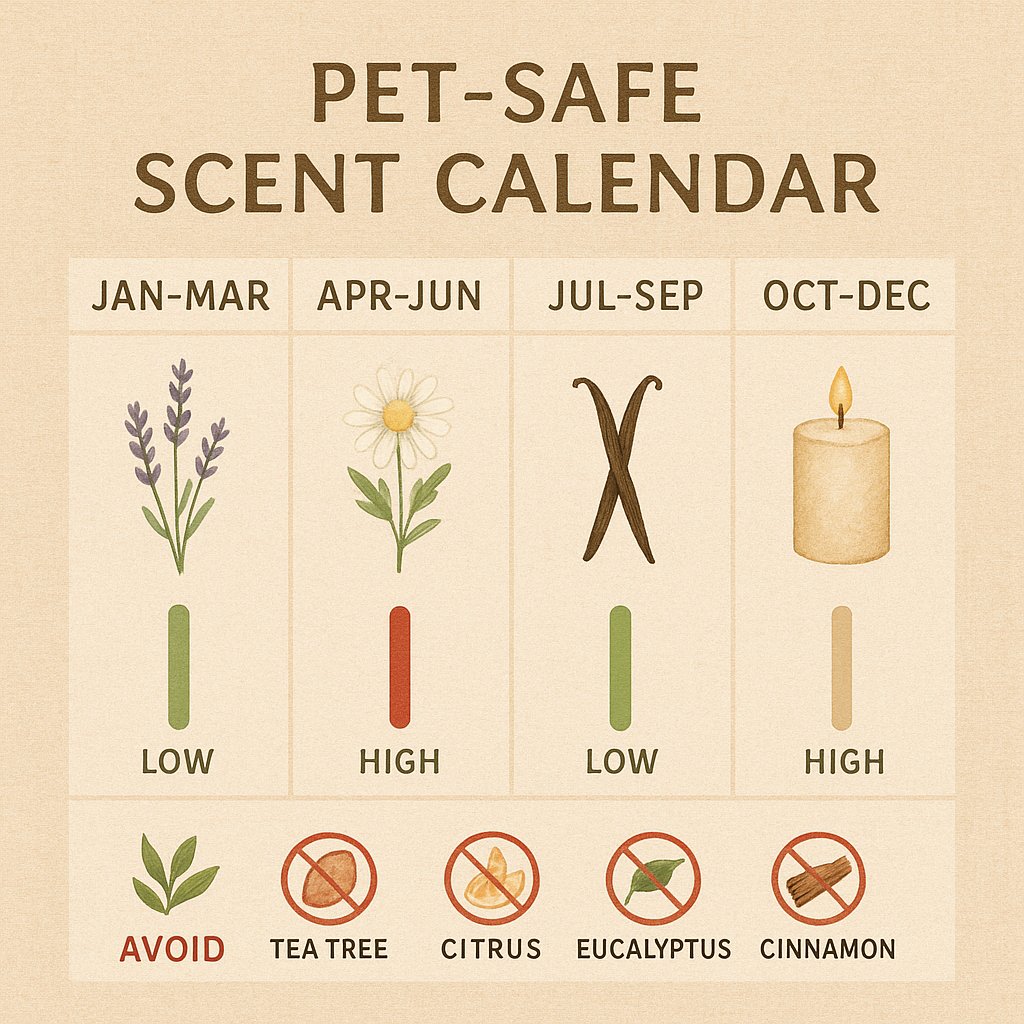
The year in a home with animals has seasonal rhythms. Some periods are more demanding in terms of scents (long winter evenings, summer without ventilation), others less so (spring and autumn with open windows). A practical quarterly overview:
January to March. The most challenging period for pet owners. Ventilation is limited (cold), households have lights on more (long evenings), and seasonal candle collections often contain cinnamon, apple, or pine scents (remnants of the Christmas collection). Recommended strategy: lavender or no scent, ventilation for 15 minutes at least once a day, candles placed on shelves above the cat's jump level (typically 150 cm and higher).
April to June. The easiest period. Open windows dilute any scent concentration in the room, days are long, and candles are lit less. Both the cat and dog spend more time on the balcony or in the garden. A better period for experimenting with new scents (chamomile, vanilla, jasmine) provided the window is open.
July to September. Summer break. Candles burn minimally (most people use them only for decoration, not ambiance), rooms are ventilated. Caution with citronella repellent candles (citronellal is metabolically problematic for cats): use only outdoors, never in rooms with animals.
October to December. The second most challenging period. Seasonal collections of eucalyptus, mint, cinnamon, cloves, and pine dominate stores. Autumn and winter are riskier due to less ventilation and seasonal scents with eucalyptus, mint, or cinnamon content. Strategy: avoid these seasonal scents, especially during long evenings with closed windows. Lavender, vanilla, and no scent are suitable. During family gatherings (Christmas Eve, New Year's Eve), strict ventilation every hour and candles on high surfaces.
Near the ground, the air from a candle is worse than at human head height
The question of essential oils is one part of the problem. The other is the burning process itself, regardless of the scent. A candle with paraffin wax releases fine PM2.5 particles (with a diameter under 2.5 micrometers) when burning, which do not settle evenly: there are more at the bottom, fewer at the top.
The reason is physical, not biological. The warm air from the flame rises, but after cooling, it sinks back down, and heavier particles accumulate in the lower part of the room. A person sitting or standing breathes air higher above the floor; a dog lying on the ground and a cat moving through the room have their noses in a zone where there are visibly more particles. This is why long-term exposure to a minor irritant is more real for an animal on the ground than for a human in the same room.
An open window or an active ventilation system significantly reduces this difference — the settled particles disperse, and the concentration near the floor decreases.
Practical conclusion. If an animal sleeps 8 hours a day on the floor and an aromatic candle burns in the room for 2 to 3 hours every evening without ventilation, this is equivalent to long-term exposure to a minor irritant. For a healthy animal without asthmatic issues, this may not be clinically significant. For an older dog, a cat with a history of bronchial problems, or a brachycephalic breed (pug, French bulldog, Persian), the difference is real.
The solution is not to eliminate the candle. The solution lies in two simple changes: better wax (coconut, soy, coconut-apricot) and 30 to 60 minutes of ventilation after extinguishing. Coconut wax releases significantly fewer fine particles than traditional paraffin. Soy is intermediate. Paraffin produces the highest soot emission per gram of burned wax.
Seven rules for lighting candles when you have a dog or cat at home
- Minimum distance of 60 cm from the animal's reach. A cat will jump onto furniture you didn't consider when lighting the candle (top of a wardrobe, windowsill, shelf above the bed). Place the candle on a surface the cat truly cannot reach (a high shelf, a closed glass display cabinet).
- Higher stand, never the floor. A dog sniffs near the ground; with a lit candle at dog height, there is a risk of burning its muzzle and inhaling concentrated soot. A stand at the height of an adult human's breastbone (approx. 110 cm) is a reasonable minimum.
- Ventilate before, during, and after burning. Ideally, keep a window tilted open for the entire burning time plus 30 to 60 minutes after extinguishing. In winter, 10 to 15 minutes of intensive airing every 2 hours is sufficient.
- Never use an aromatherapy diffuser and a candle simultaneously. Combining two sources of essential oils in the same space doubles the exposure. An ultrasonic diffuser turns liquid oil into a fine aerosol mist that the animal breathes in concentrated form.
- Be careful with wax melts. A cat may lick cooled wax from the warmer, especially if it is sweetly scented (vanilla, fruit). The same wax that is relatively safe when burning can cause gastrointestinal irritation if ingested orally, and in the case of citrus or cinnamon melts, even real toxicity.
- Choose a candle with a declared composition. "Spicy scent" or "forest freshness" without specifying the ingredients is the same for a pet owner as an unlabeled container of medicine. Premium manufacturers list the oils used (especially those following IFRA standards and EU rules for labeling perfume allergens according to Regulation (EU) 2023/1545).
- Monitor the animal for the first 30 minutes after lighting a new candle for the first time. If the dog has allergic tendencies or the cat has a chronic illness, the first exposure to a new scent is crucial. Symptoms of a neurotoxic reaction appear within 15 to 90 minutes after exposure.
Another practical note. Do not choose a candle of unknown origin (a cheap promotional item without a detailed label) for a room where the animal sleeps. A price under €3 for 200 g of wax mass usually signals synthetic fragrances in an unspecified concentration.
Ten things a dog or cat perceives when you light a candle
A cat has 200 million olfactory receptors in its nose, a dog has 220 million. A human has 5 million. When you light a candle, a huge amount of new sensory input enters the enclosed space, which cannot be ignored. Here are 10 real things the animal registers:
- A heat source in the room where there wasn't one before. A cat senses temperature changes in the order of tenths of a degree Celsius within 60 cm of the flame.
- A moving point of light in a still room. The flame flickers with every micro-current of air, activating the prey reflex (the cat watches the flame like it watches a bird outside the window).
- Aerosolized wax particles released into the air during combustion. These particles settle on the fur, and the animal later licks them off during grooming.
- Phenolic compounds of the fragrance in the breathing zone just above the floor (where the animal typically moves). In the human breathing zone, higher above the ground, their concentration is lower due to the diffusion gradient.
- The sound of the wick crackling in wax candles with cotton wicks. A cat registers it as a quiet crackling transmitted through the auditory nerve pathway.
- A change in air currents in the room: the warm column of air above the flame alters micro-currents, which the animal registers through its vibrissae (tactile whiskers around the mouth and eyes).
- Modified scent marks of the owner and other animals: the candle's fragrance overrides the pheromone markers the cat uses for orientation in the home.
- CO₂ rising above the flame in increased concentration directly in the flame zone, which the dog registers when approaching.
- A vibrational component: with candles in a glass container, the flame causes minimal vibrations in the glass, which the cat perceives through the floor if the candle is on it.
- A social signal: the animal perceives that the owner is doing something new in the room and immediately checks what it is. Movement stops, the head lifts, the sense of smell activates.
This is the reality of pet ownership. A candle is not a decorative object for the animal. It is a multimodal sensory event channel.
Symptoms of poisoning: when to call the vet immediately
The clinical picture of essential oil poisoning in dogs and cats is well described. The following symptoms require acute veterinary intervention. Do not attempt to let the animal "sleep it off" or "air it out":
- Hypersalivation. Excessive drooling, especially in cats, is often the first sign of oral or respiratory intoxication from phenolic compounds.
- Ataxia. The animal sways sideways, falls, and cannot maintain balance. This indicates central nervous system involvement that progresses rapidly.
- Disorientation and tremors. The cat stops responding to its name, stares into empty space, or exhibits fine muscle twitching.
- Vomiting and diarrhea. An acute reaction of the gastrointestinal system, most often after oral contact with wax or oil.
- Hypothermia. A drop in body temperature below 38 °C in an adult dog or cat (measured with a rectal thermometer, if available).
- Respiratory difficulties. Shallow breathing, coughing, open-mouth breathing (especially in cats; a cat breathing through its mouth is almost always in an emergency state).
- Apathy. The animal lies in an unusual place, does not respond to stimuli, and refuses water and food.
If any of these symptoms occur:
- Move the animal to a ventilated room, away from the source of the scent.
- Extinguish the candle and thoroughly ventilate the room.
- Immediately contact your veterinarian or the nearest veterinary emergency clinic (your regular veterinarian usually has the contact for the local emergency service). For 24/7 telephone toxicology consultation in English, the US hotlines ASPCA Animal Poison Control (+1 888 426 4435) and Pet Poison Helpline (+1 855 764 7661) are available; both are fee-based.
- Prepare specific information for the veterinarian: candle brand, declared composition (photo of the label), time of lighting, duration of the animal's exposure, first symptom observed.
- Do not attempt to induce vomiting in a cat without consultation. With some oils (citrus), aspiration can cause pneumonia.
Early intervention is crucial in these cases. The sooner the animal is removed from the source and taken to the veterinarian, the milder the course tends to be — with tea tree intoxication, most symptoms appear within hours and can persist for longer. The early window after exposure is the time when activated charcoal can more effectively capture the still-unabsorbed substance in the digestive tract.
Scent-free as a pet-safe choice and low-percentage lavender as a compromise
For a household with a cat or dog, there are two sensible strategies for lighting candles without compromising on atmosphere.
The first is a scent-free candle. Wax without perfume, a wick, a quality container. The flame burns cleaner (yellow with a golden edge, without a smoke trail), and aerosolization of essential compounds is zero. Some stores offer a scent-free candle in the same format as a scented one: coconut wax, premium wick, long burn time. You cannot smell it, but the flame brings the same visual rhythm to the evening and a temperature that changes the perception of the room. For a cat owner, this is often the only choice where they do not have to check every hour where the animal is lying.
The second strategy is a low-percentage lavender or vanilla candle with coconut-apricot wax and a perfume concentration of up to 7%. The scent in the room is muted, gentle, fills a 12 m² bedroom within 8 minutes, and lingers in textiles for several hours after extinguishing. For the animal, this is a tolerable exposure, provided the room is ventilated and the candle is out of the animal's reach.
A candle from a Slovak workshop typically goes through 14 steps (from pouring the wax mixture through double-layer lacquering of the containers to the final spraying), which is a detail that cannot be rushed. The result is that the wax is denser, firmer, and less porous.
The difference between a cheap paraffin candle with an unlabeled "fresh scent" and a handcrafted coconut candle without fragrance (or with lavender under 7%) will manifest to your nose as a difference in aroma quality. For a dog on the floor or a cat on the windowsill, it manifests as the difference between a daily irritant and a quiet room. You can feel it in the curtains the next day, and also in whether the animal spends the evening calmly or hides under the bed.
Lily's story as a lesson and summary for the owner
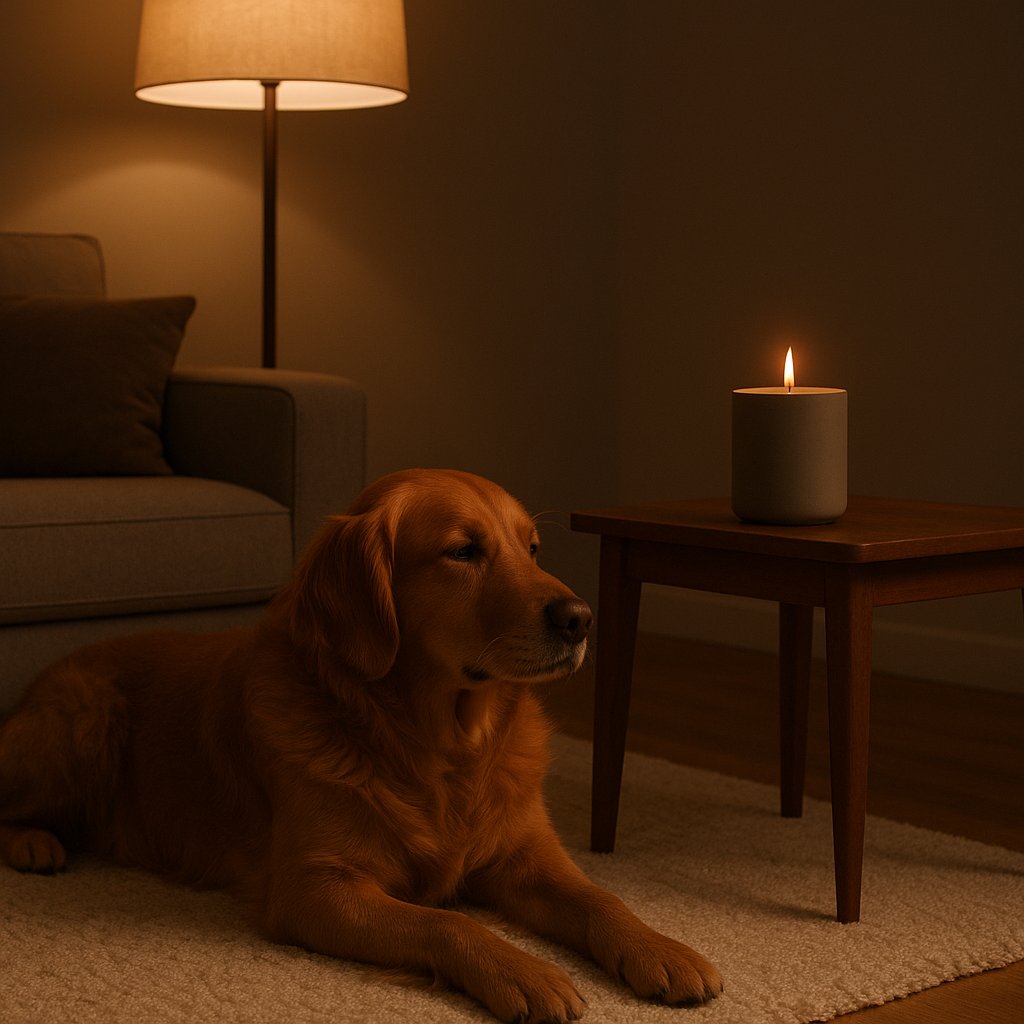
Lily is now an eight-year-old cat with normal liver marker levels in her blood and healthy movement around the apartment without disorientation. Mária changed her routine threefold after the incident. First, she switched from seasonal candle shops to products without fragrance or with lavender. Second, she moved all low decorative tables that were within Lily's reach to high shelves, 170 cm and higher. Third, she introduced a rule of keeping a window open every hour that any candle is burning in the house. These three changes took no more than one weekend and cost less than 20 euros.
Five points worth remembering:
- We do not recommend four oils. Tea tree, citrus, eucalyptus, cinnamon/ylang-ylang/oregano/thyme. Avoid them if a cat lives at home. For dogs, limit them to well-ventilated rooms, away from the animal's sleeping area.
- Five scents are better tolerated by most animals. Lavender, chamomile, frankincense, copaiba, vanilla. With reasonable concentration and ventilation.
- The safest choice is an unscented candle with coconut wax. Visual comfort of the flame without aerosolized essential compounds.
- Distance, ventilation, quality wax. Three factors that significantly reduce PM2.5 exposure in the ground-level zone where the animal moves.
- Consult a veterinarian for any change in animal behavior. Hypersalivation, ataxia, disorientation, and vomiting are signals that cannot wait until the next morning.
Essential oils are not universally dangerous. Some of them, at a certain concentration, with ventilation and in the right wax carrier, can pass through a room without consequences. Others, especially tea tree, citrus, and eucalyptus, are not an option for a cat, even in trace amounts. The difference lies in biochemistry, not in fragrance marketing.

Mother of two daughters, wife of Roman and the heart of our creative studio. Besides writing blogs, she dedicates herself daily to the handmade production of candles and decorative containers — she knows the materials, knows what lasts and what simply delights the home. She looks at jewelry, watches and fashion accessories from real family practice: what serves, what endures and what truly brings joy.
All articles by author
 Container Candles
Bee Candle - White

Convallaria Candle - White / Milk, Honey
Candle Wave - Blue / Vanilla
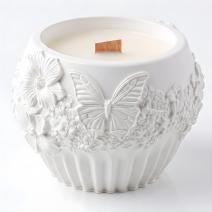
Candle Meadow - White / Cherry, Almond

Carrara Candle - Peony / White / Silver / Lime, Mango

Highland Cow Candle - White / Vanilla
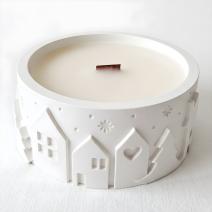
Winter Landscape Candle - White / Milk, Honey


Christmas Bauble Enchanted Candle - White / Silver / Winter Magic
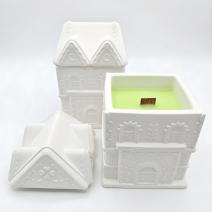
Medium House Candle - White / Apple, Cinnamon





Comments
Add comment
Login required
To add a comment, you must log in to your account.
Don't have an account? Register